
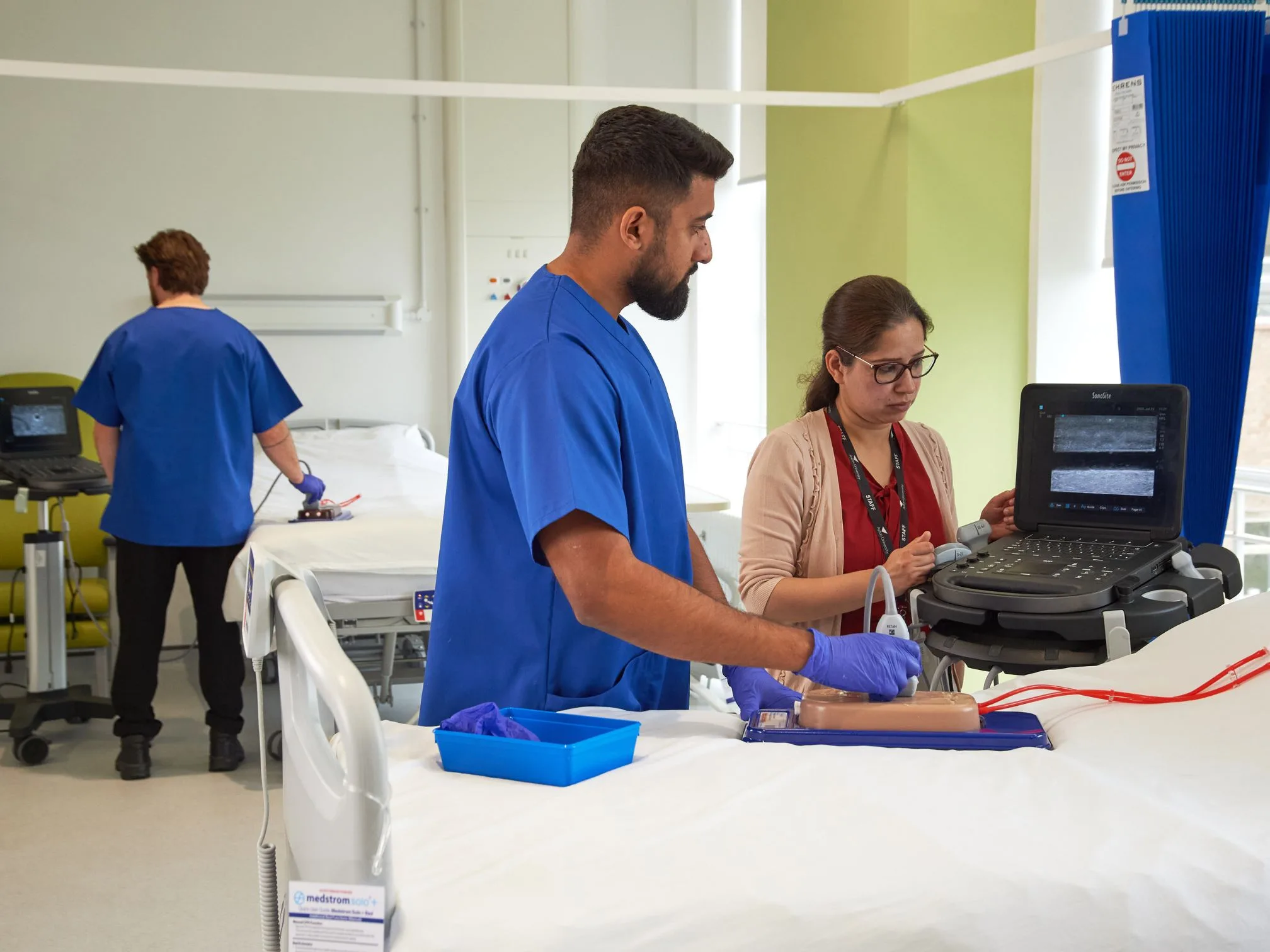
Point of Care Ultrasound (POCUS) is continuing to grow as an integral part of modern, patient-centred clinical practice. Once largely confined to radiology departments and specialist imaging teams, it is now increasingly used at the bedside by multi-disciplinary clinicians across emergency medicine, primary care, community services and pre-hospital settings.
As this shift accelerates, so too does the need for structured, high-quality simulation-based training that enables medical professionals to develop their ultrasound capabilities, before applying them in a live environment. And there are many courses now available in a whole range of Point of Care Ultrasound skills.
The BIOTME collection of ultrasound task trainers, available exclusively through Adam,Rouilly, has been developed to support these evolving educational needs. These carefully-selected simulators are well suited to POCUS programmes focusing on ultrasound-guided venous access, diagnostics and other core procedural skills.
The growing use of POCUS
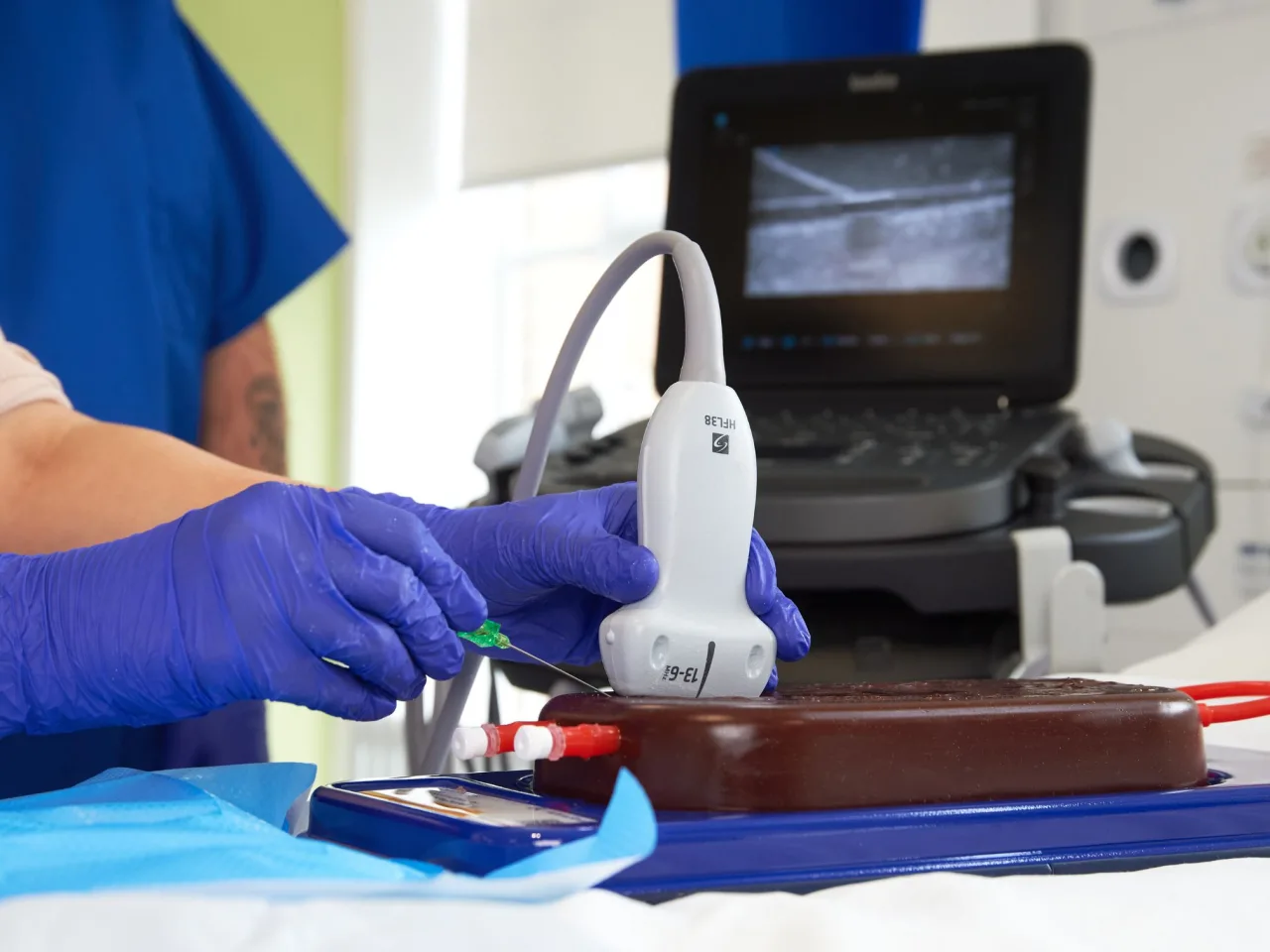
Point of Care Ultrasound refers to focused examinations performed outside dedicated radiology departments, typically to answer a specific clinical question, or to guide a procedure. It can help support quick decision-making, reduce delays, and improve patient care.
According to the British Medical Ultrasound Society (BMUS), the growing use of POCUS by non-imaging specialists is testament to the versatility of the ‘modality and technology in aiding and expediting patient care and management’. Its applications range from simple ‘rule in, rule out’ examinations to more complex assessments.
Advances in ultrasound technology have resulted in more affordable, more portable systems, supporting their adoption across a wider range of clinical settings. Handheld and compact devices means imaging can be brought directly to the patient, whether that’s in a GP surgery, on board an ambulance, or in a hospital ward.
More clinicians being able to carry out simple diagnostic tests and procedures, in multiple locations, can help ease ongoing service and resourcing pressures, and get quicker interventions for patients.
Ultrasound-guided vascular access
Some elements of POCUS are well established. Ultrasound-guided vascular access, for example, was recommended for routine use for central venous catheter insertion by the National Institute for Health and Care Excellence back in 2002.
This was based on evidence showing reduced failure rates and fewer complications. As such, this is now accepted as best practice and features in medical curricula.
In recent years, Point of Care Ultrasound has become more common in other applications too, such as scanning for abdominal pain and other organ abnormalities, detecting breast lesions, locating IUDs and checking for aneurysms.
A guide to ultrasound simulation training
Recognising this growing use, the BMUS and the Royal College of Radiologists published joint guidance in 2023 setting out best practice recommendations for clinicians using ultrasound outside of traditional radiology departments.
This includes the need for robust training and education through accredited providers.
The guide discusses the importance of practical training elements comprising both real-life clinical settings with patients, and classroom settings with volunteers, simulators and task trainers. It points towards the use of high-quality sophisticated ultrasound simulators that mimic human tissues and pathologies.
“These training aids expedite learning, ease the training burden on busy departments and allow individuals to hone their skills in a safe, unpressured environment,” the guidance states.
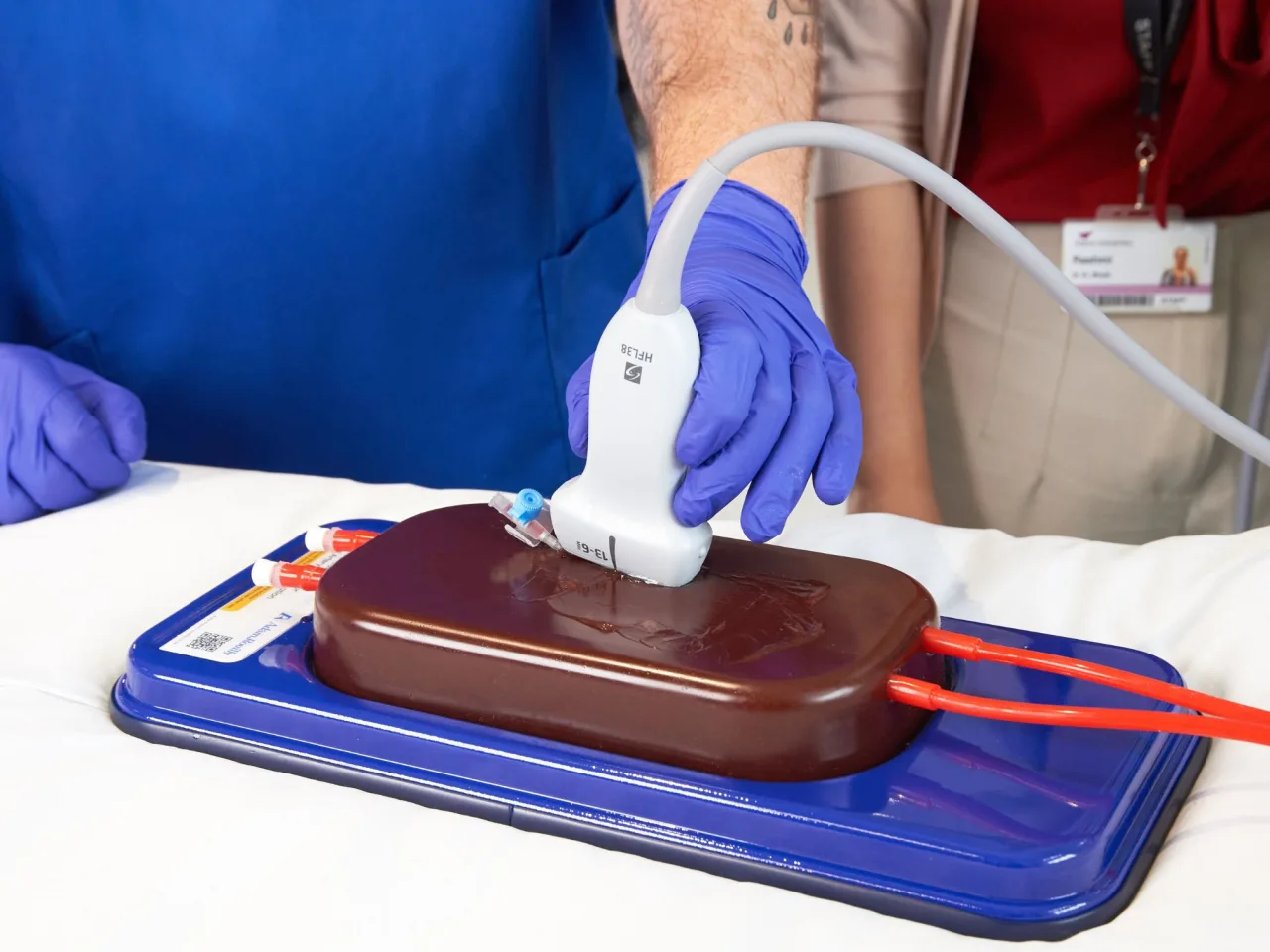
Supporting modern Point of Care Ultrasound training
BIOTME ultrasound simulators offer realistic tissue feel and ultrasound response, allowing learners to practise skills such as handling vascular access devices, identifying veins, scanning for abnormalities, positioning probes and the general use of ultrasound machine controls, adjustment and probe dexterity.
This level of authenticity supports the development of muscle memory and spatial awareness, which are both essential for safe and effective procedural practice.
Robustly designed for repeated use, BIOTME trainers are well suited to classroom-based teaching, simulation centres and mobile training environments. Their portability makes them a practical option for ambulance trusts, community services and training providers delivering POCUS education across multiple sites.
Supporting improved patient care
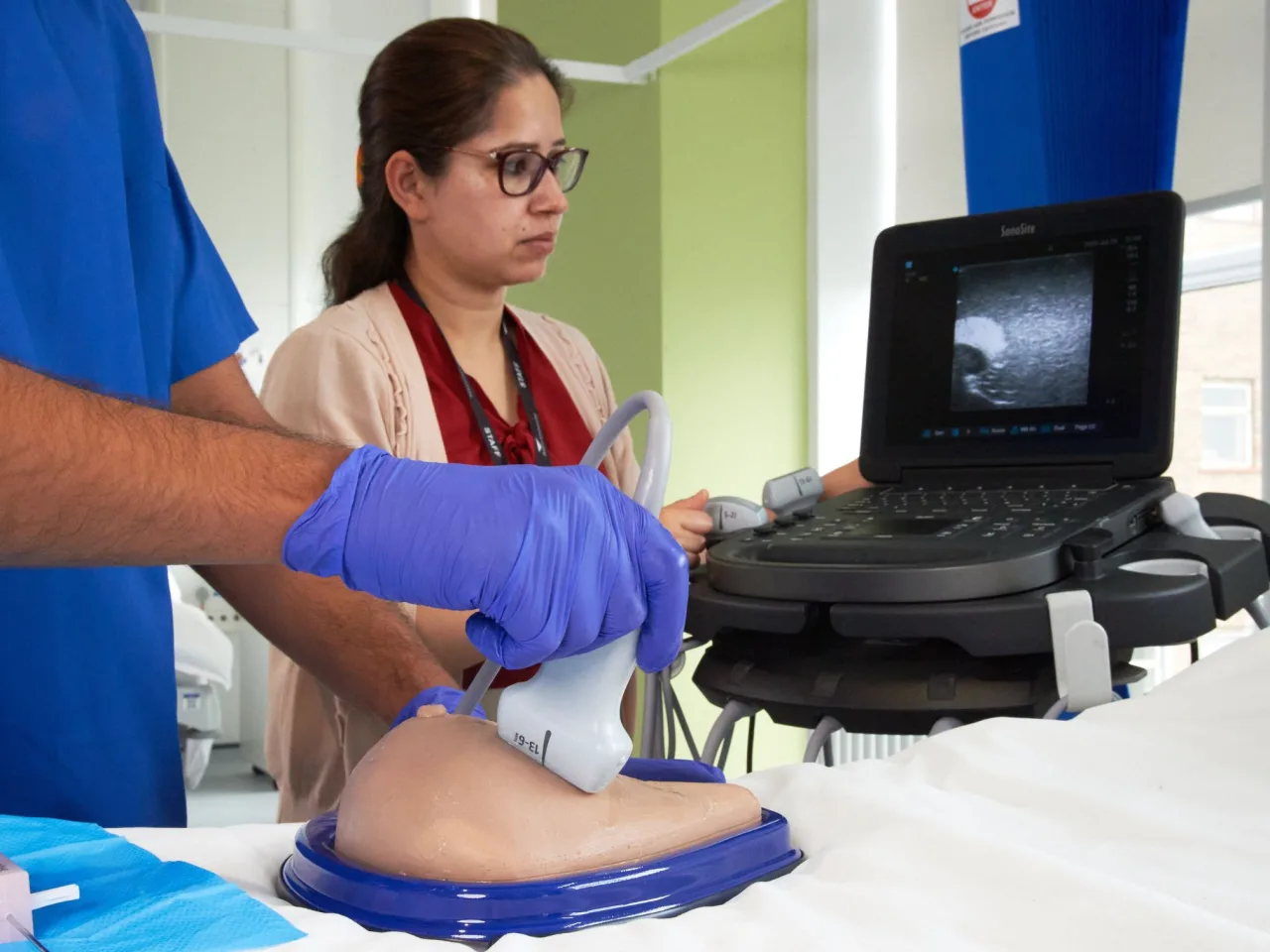
At its core, the growth of POCUS is about improving patient care. Whether reducing failed cannulation attempts, supporting faster diagnoses or enabling timely intervention, bedside ultrasound can transform patient pathways when used appropriately.
Realistic, easy-to-use and durable simulation tools such as BIOTME help educators ensure this potential is realised safely, through efficient and effective POCUS courses.
As POCUS continues to expand across healthcare settings, investment in robust training solutions will be essential. For organisations delivering ultrasound and POCUS education, the BIOTME collection offers an exceptional training opportunity for simple, powerful and repeated practise of core clinical skills across ultrasound-guided invasive techniques and diagnosis.
If you need ultrasound trainers for your POCUS course and would like to find out more, please contact our Sales Team, who are always happy to help.
