
International Women’s Day provides an opportunity not only to recognise progress in women’s healthcare, but also to acknowledge the women across research, education and clinical practice who continue to drive meaningful advances within the sector.
In recent years, important conversations have emerged around the historic underrepresentation of women in medical research and clinical study populations. For decades, research findings and clinical guidelines were often based on data sets that did not fully reflect sex-specific differences, leading to gaps in understanding across certain areas of women’s health.
As awareness of these disparities has grown, so too has recognition that education and training must evolve in parallel. This shift is reflected in ongoing global health discussions and in the work of organisations such as the World Health Organisation and professional bodies including the Royal College of Obstetricians and Gynaecologists.
Improving women’s health outcomes depends not only on research, but on ensuring clinicians have the knowledge and confidence to translate that research into everyday clinical practice.
Confidence through preparation
Women’s health spans a broad and complex spectrum, from antenatal and obstetric care to gynaecology, breast health and reproductive medicine. Many of these areas involve sensitive examinations and complex procedures that require both technical precision and strong communication skills.
For clinicians in training, opportunities to practise within structured and controlled environments are invaluable. Simulation-based learning and anatomical training resources allow learners to develop procedural competence, explore anatomical variation and build confidence before working directly with patients.
Innovation that reflects clinical reality
As understanding of women’s health continues to evolve, training environments must evolve alongside it. Educational tools and simulation platforms play a critical role in ensuring that learning remains aligned with contemporary clinical standards.
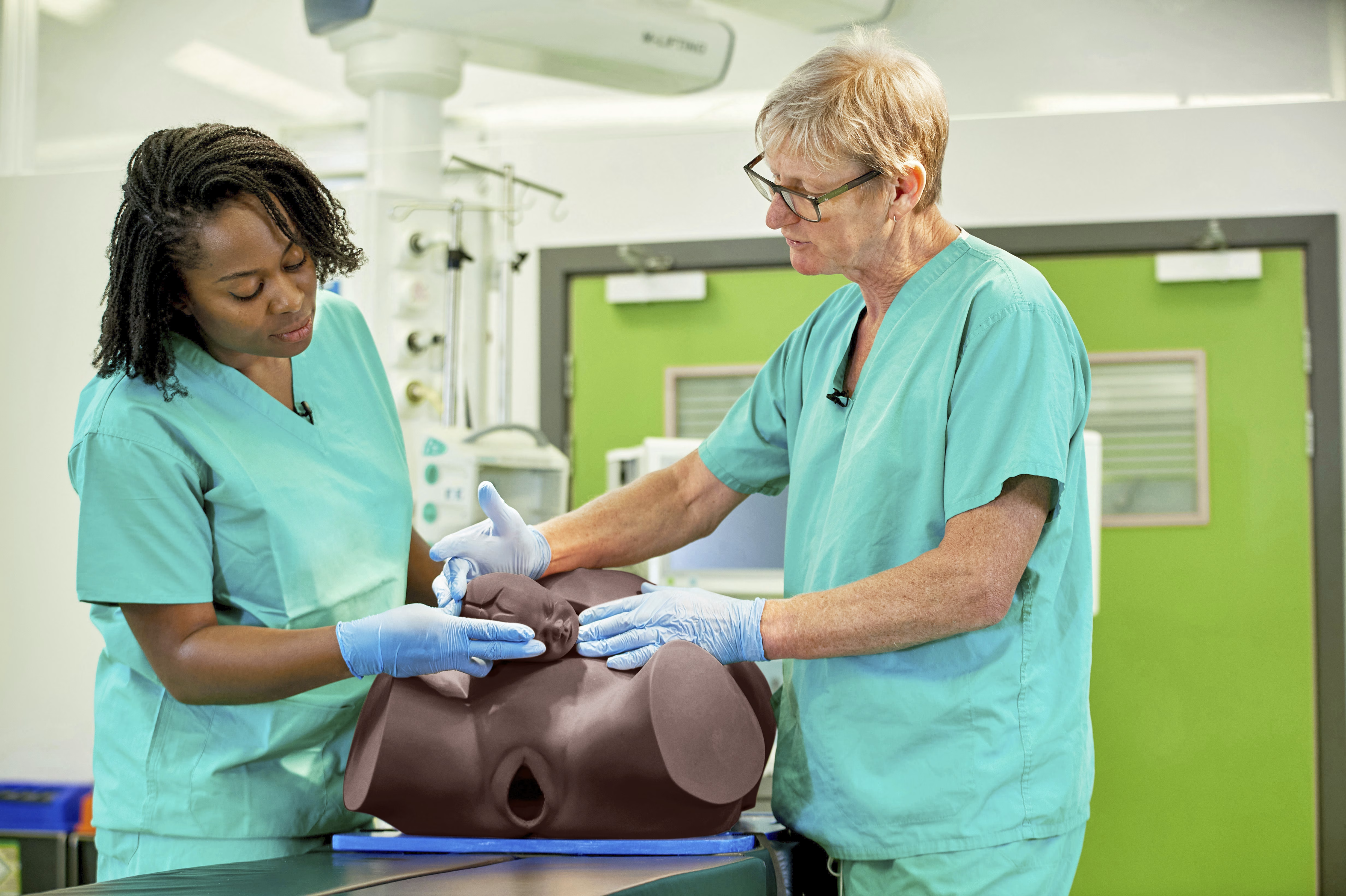
For example, within obstetrics, scenario-based simulators such as our Debra Enhanced® support training in complex situations, including impacted fetal head, enabling multidisciplinary teams to rehearse and refine their response in a controlled environment.
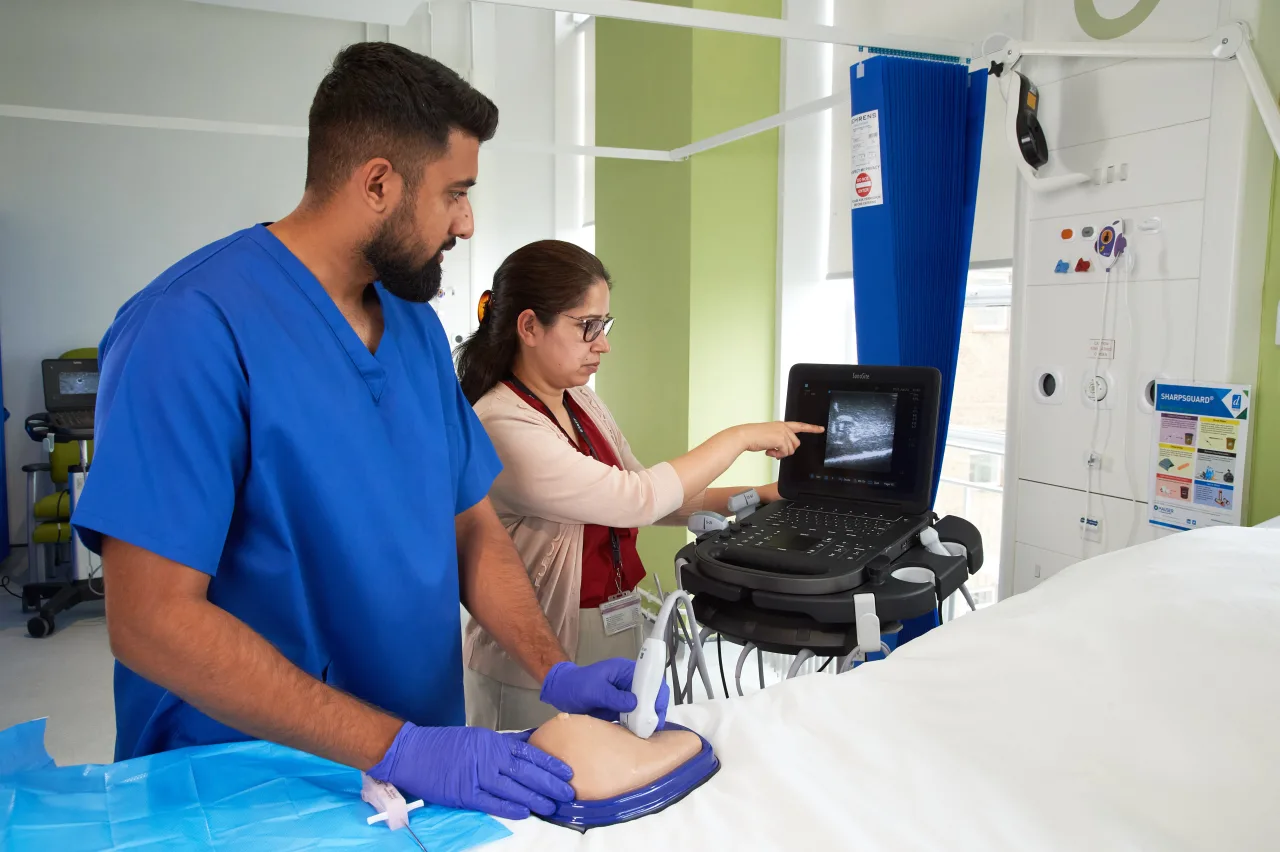
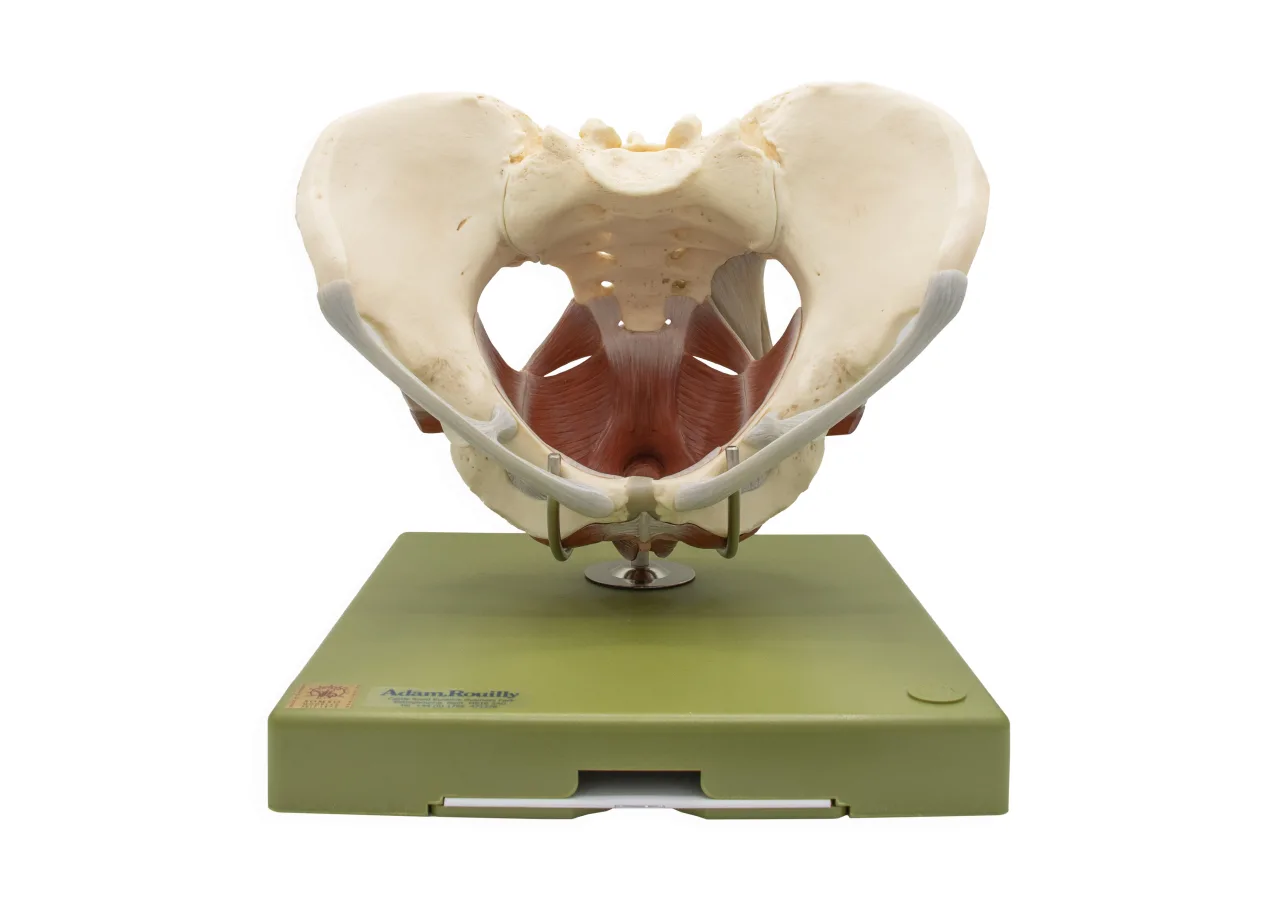
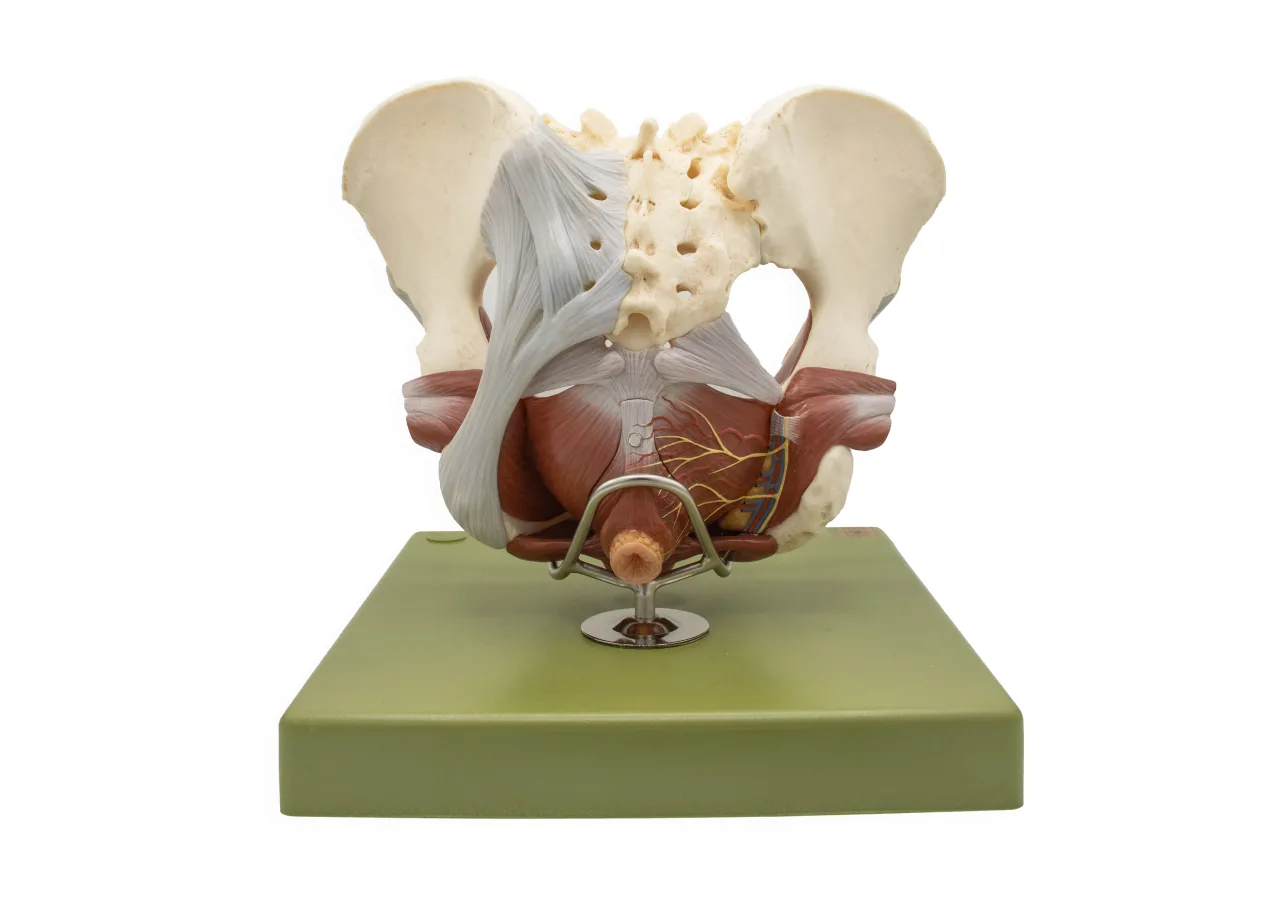
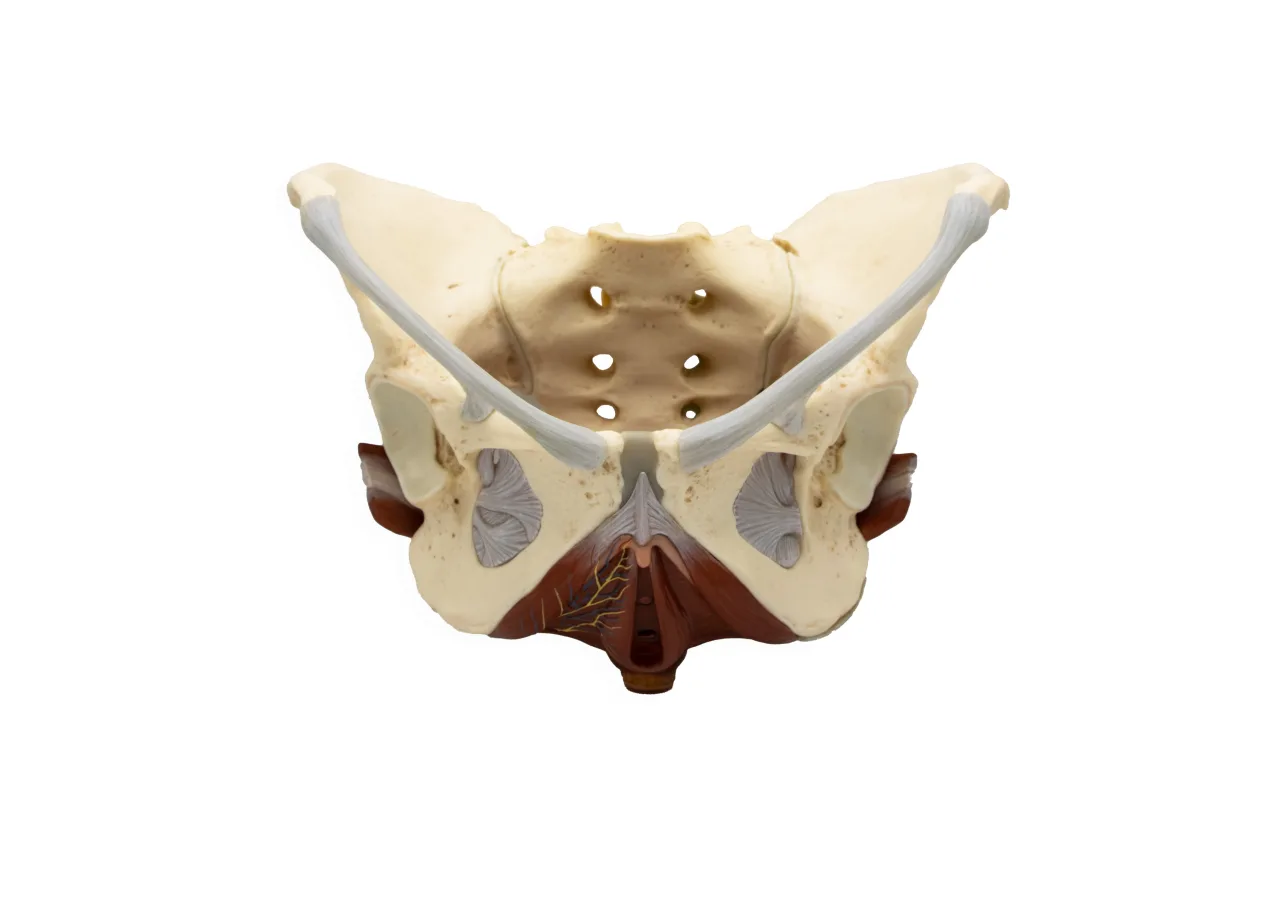
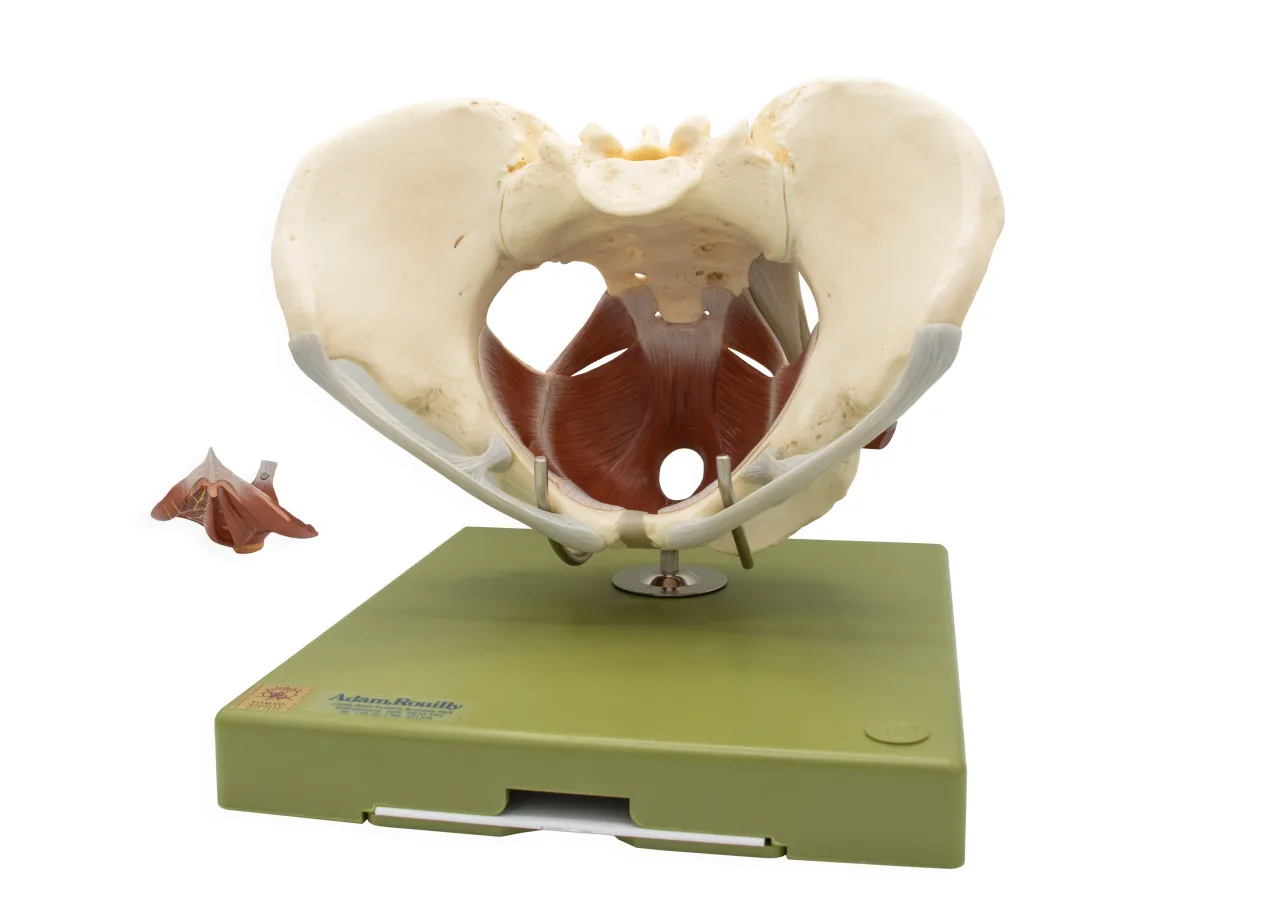
Across breast health education, our examination trainers and ultrasound-compatible biopsy models support clinicians in developing both technical proficiency and confidence in patient interaction. Our anatomical models, including those to teach the complexities of pelvic anatomy, such as the MO8/6 female pelvic floor model, alongside embryological development, establish the core knowledge upon which clinical skills are built.
These resources are not an end in themselves, but part of a broader educational ecosystem designed to support safe, informed and compassionate care.
Education as a driver of progress
Progress in women’s healthcare is not achieved through research alone; it is sustained through education. Equipping clinicians with deep knowledge, technical proficiency and empathetic confidence is essential to delivering high standards of care across the full spectrum of women’s health.
Across the medical sector, women continue to play a vital role in advancing research, improving standards of care and shaping the future of clinical education.
As a company supported by a strong and experienced female team across our offices, factory and wider operations, we recognise the value of diverse perspectives in shaping the tools that support women’s health education.
International Women’s Day serves as a timely reminder that advancing healthcare outcomes depends on continuous learning, thoughtful innovation and sustained investment in training. When clinicians are supported with high-quality educational resources, they are better equipped to provide safe, informed and compassionate care.
At Adam,Rouilly, we remain committed to supporting educators and healthcare professionals worldwide with our simulation and anatomical resources that underpin effective clinical training, contributing to the continued advancement of women’s health education.
